.png)
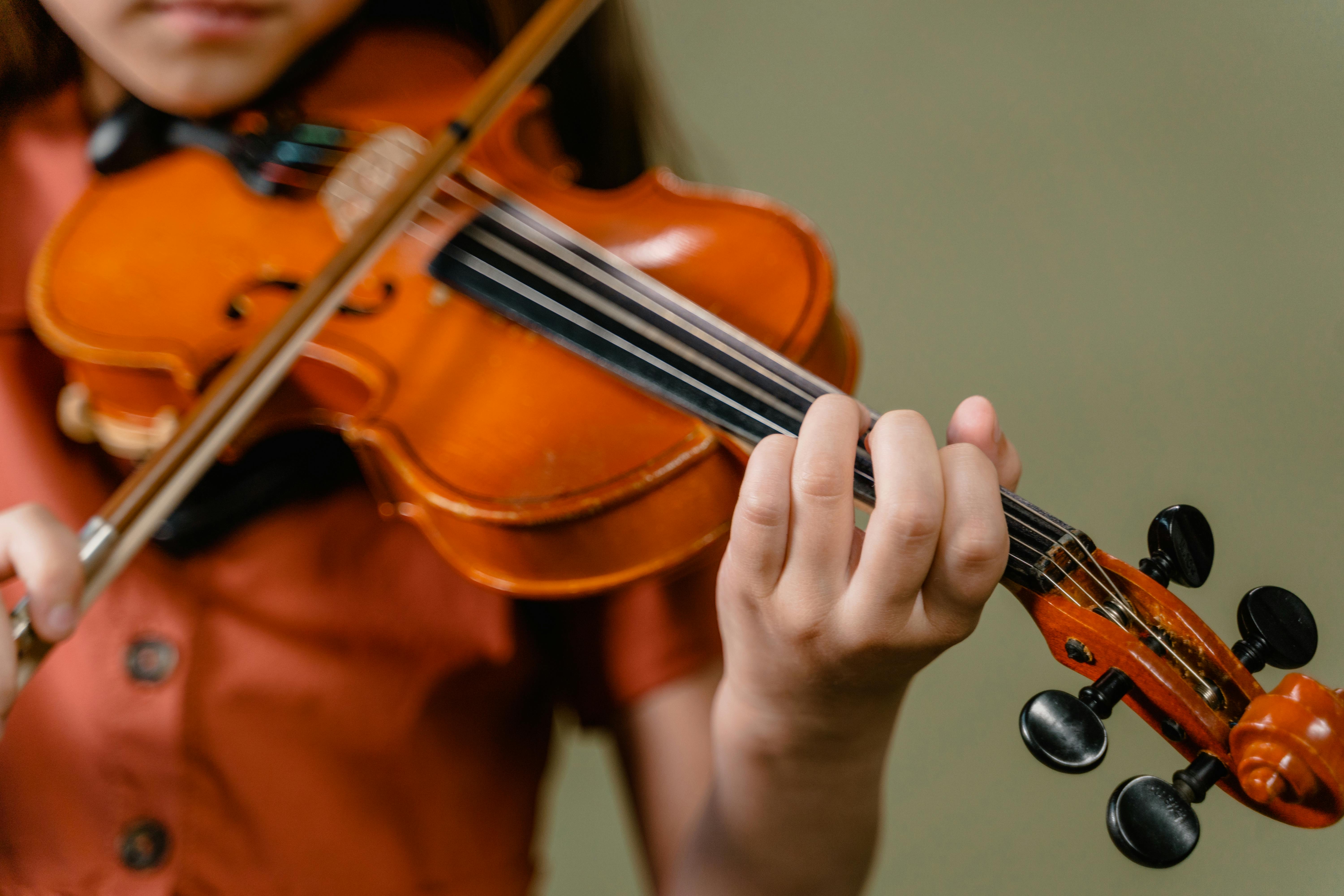
Types of violin wood:
The violin typically uses spruce, willow, maple, ebony, and rosewood. For the back, rib, neck, and scroll, maple is generally used. Spruce wood is a common wood for the front plate of a violin. Once a tree is harvested, the wood is split into two parts to prevent cracks, reducing its strength. A typical violin front plate is made from two spruce pieces glued together.
What makes good violin wood?
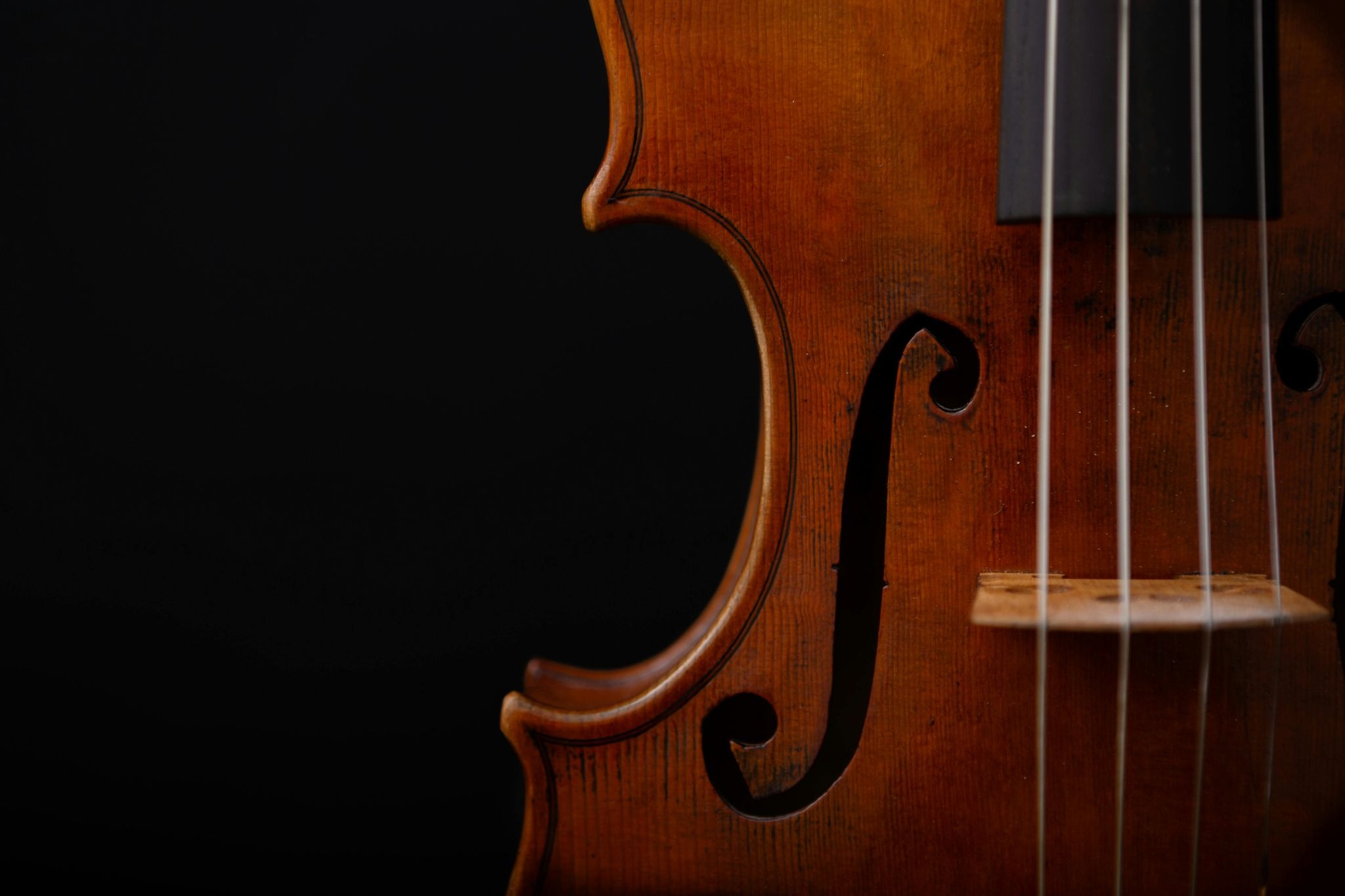
In a violin, the sound from the f-holes comes from the air vibrating. For that reason, the wood should be light and resonant, but if it is too light and weak, it will easily collapse due to the lack of tension in the 4 strings. The wood changes with the environment, temperature, and humidity. For example, if the wood dries, the sound heard from a violin is the result of air vibrating and released through the “f” holes in the instrument. Therefore, the wood of the instrument should be light and resonant.
What makes bad violin wood?
On the other hand, if wood is too light and weak, it will not resist the tension of four strings and easily collapse. Innate mechanical properties of wood in a violin can change with time and exposure conditions. Drying wood can reduce its density, leading to variations in its acoustical behavior. It is evident that there is a comprehensive engineering and art aspect to building a well-designed violin.