.png)
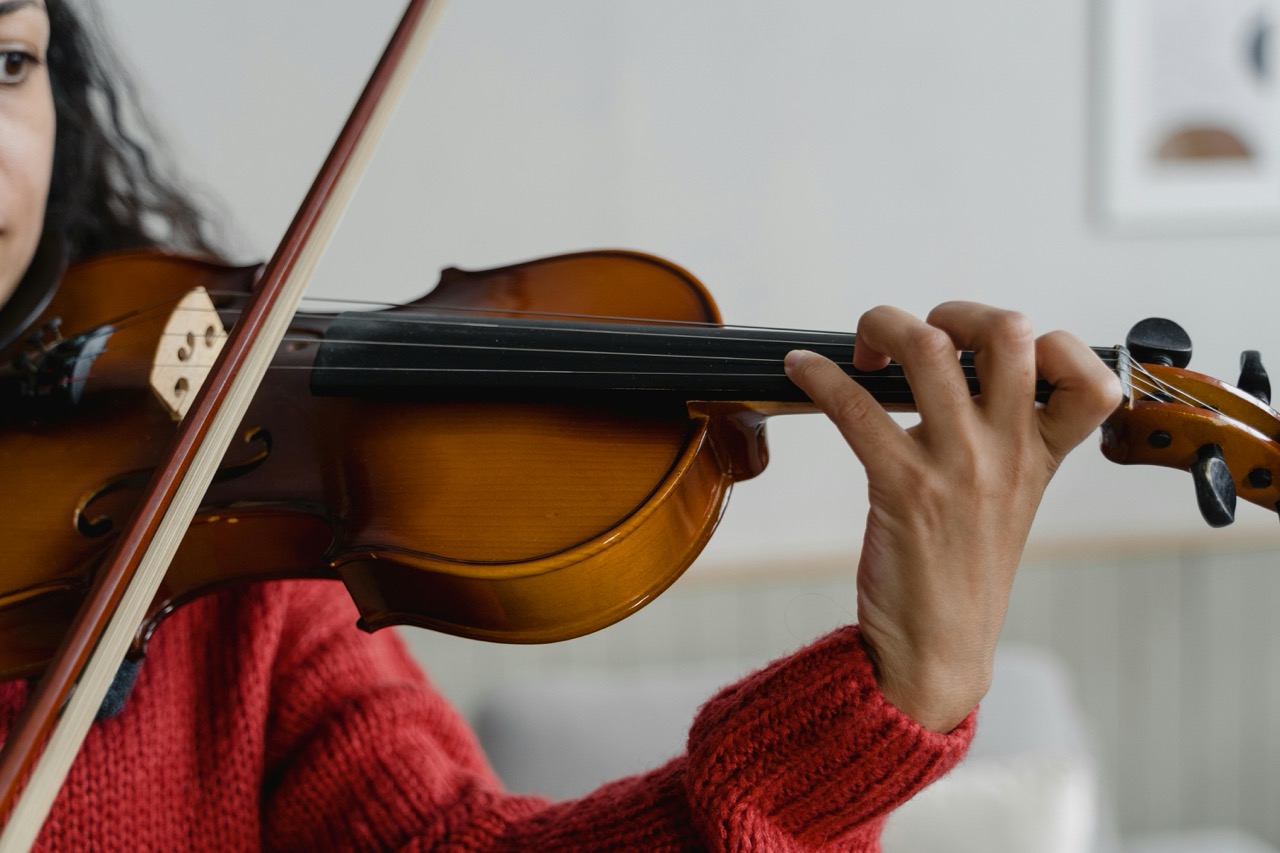
A violin bow is only powerful because of the horsehair stretched along it. The wooden stick helps the player control pressure and speed, but the hair is the part that actually interacts with the string. Without hair, a bow could not reliably start or sustain the string’s vibration, so the instrument would lose the sound.
What horsehair does when you play
When you pull the bow across a string, the hair creates a repeated grip-and-release cycle. The hair (helped by rosin) briefly catches the string and drags it slightly, then the string snaps back because it is under tension, and the hair catches it again. That repeating motion is what keeps the string vibrating continuously, which is why a bowed note can be held for the amount of time the bow allows.
Why horsehair works so well
Horsehair is especially useful because its surface and structure make it good at creating controlled friction. It is strong for its thinness, it behaves predictably under tension, and it provides a responsive “feel” that allows players to control tone and articulation. Equally important, it holds rosin well, and rosin is what turns the hair from something that would mostly slide into something that can consistently “bite” the string to produce a clear, stable sound.
The role of rosin for the bow
Rosin is the violinist’s friction booster. Rubbing rosin onto the hair adds a slightly sticky coating that increases grip at the exact moments the hair needs to catch the string. Too little rosin can make the sound faint or slippery and hard to control, while too much can make the tone gritty and produce lots of dust. A lot of what players call “bow control” is really how well the rosin-coated hair is managing that friction cycle.
Where the hair comes from
Bow hair is typically taken from horse tails because tail hair tends to be long and durable, which suits the length and tension of a bow. Most violinists use white hair, which is the standard choice in classical playing, while black hair is often coarser and can feel grippier, though it is more common on some larger string instruments or in situations where extra traction is preferred. What matters most is not the color but the consistency and evenness of the hair ribbon across the bow.
Why bows need “rehairing”
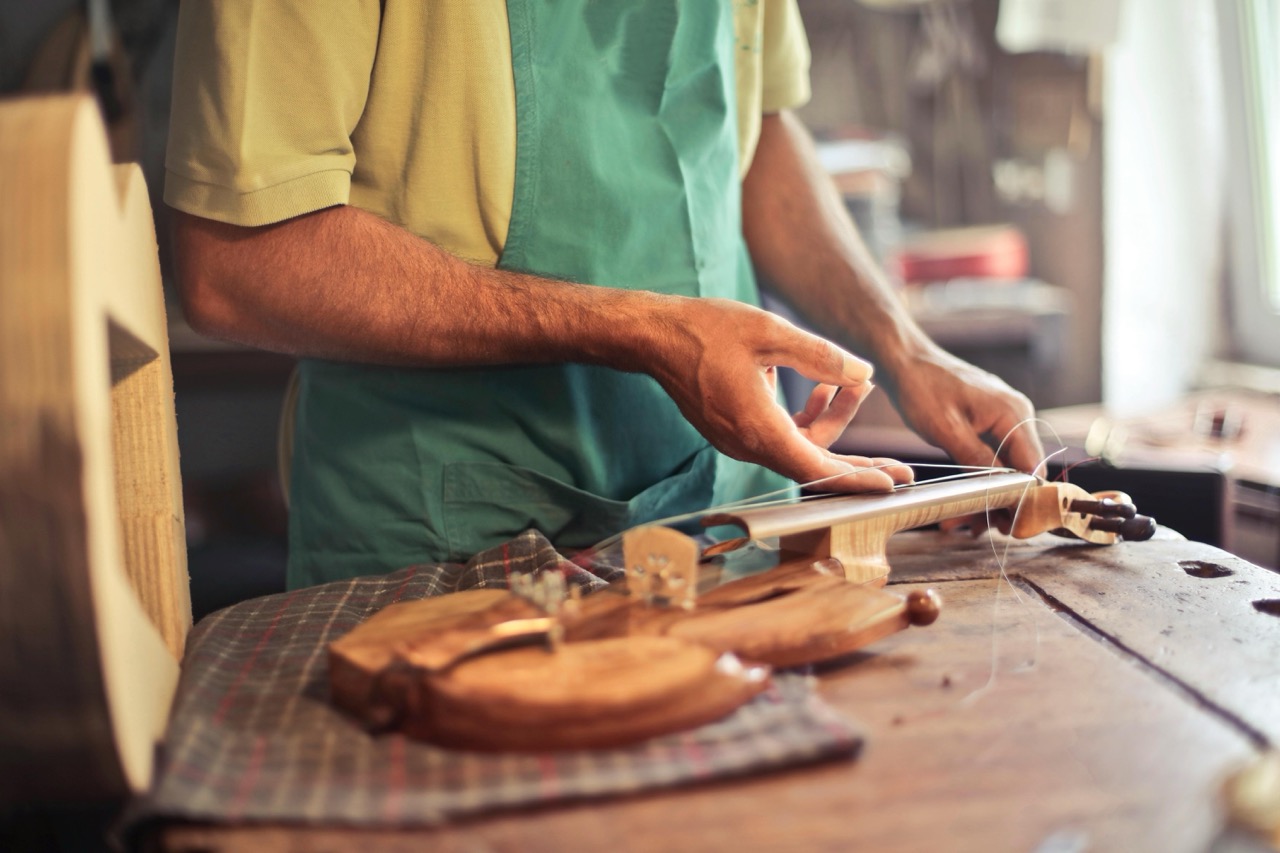
Bow hair does not last forever because it gradually wears down and becomes uneven. Individual hairs break, stretch differently, and pick up oils and dust, all of which reduce how evenly the bow grips the string. When the hair ribbon becomes thin or inconsistent, players lose control and the sound becomes less reliable, so a shop will replace the old hair with a fresh ribbon during a process called a rehair. It is routine maintenance, kind of like replacing tires rather than repairing an engine.